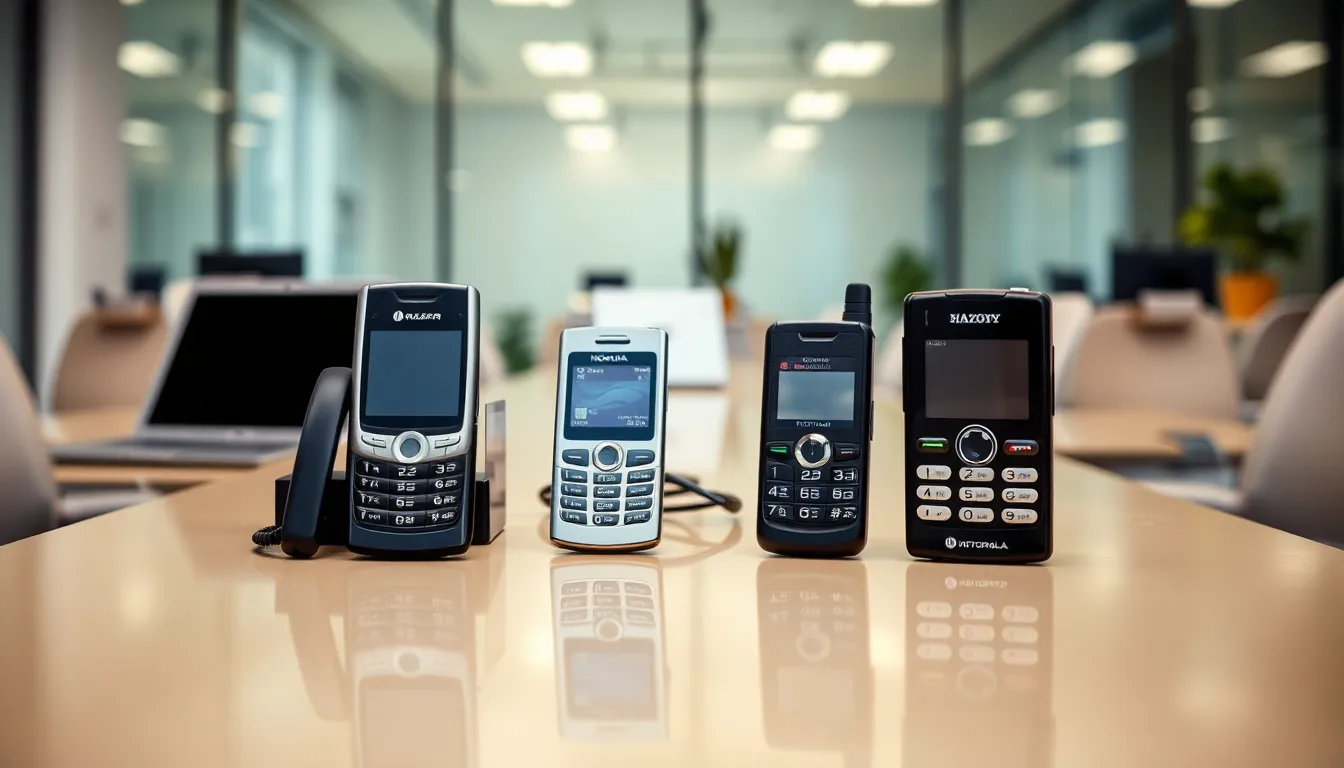
Remember 2005? The fashion was questionable, the music was catchy, and the cell phones were… well, let’s just say they were a blast from the past. Back then, texting was still a bit of a novelty, and if you had a phone with a camera, you were practically living in the future. Ready to jump into the intriguing realm of 2005 cell phones? Buckle up, because it’s time to rediscover the device that kept everyone connected, albeit in a more clunky and less sophisticated way than today’s slim smartphones.
Let’s explore how these devices not only shaped communication but also transformed our interactions with the world around us. Spoiler: They housed a remarkable blend of innovation and simplicity that’s worth revisiting.
Overview of Mobile Technology in 2005
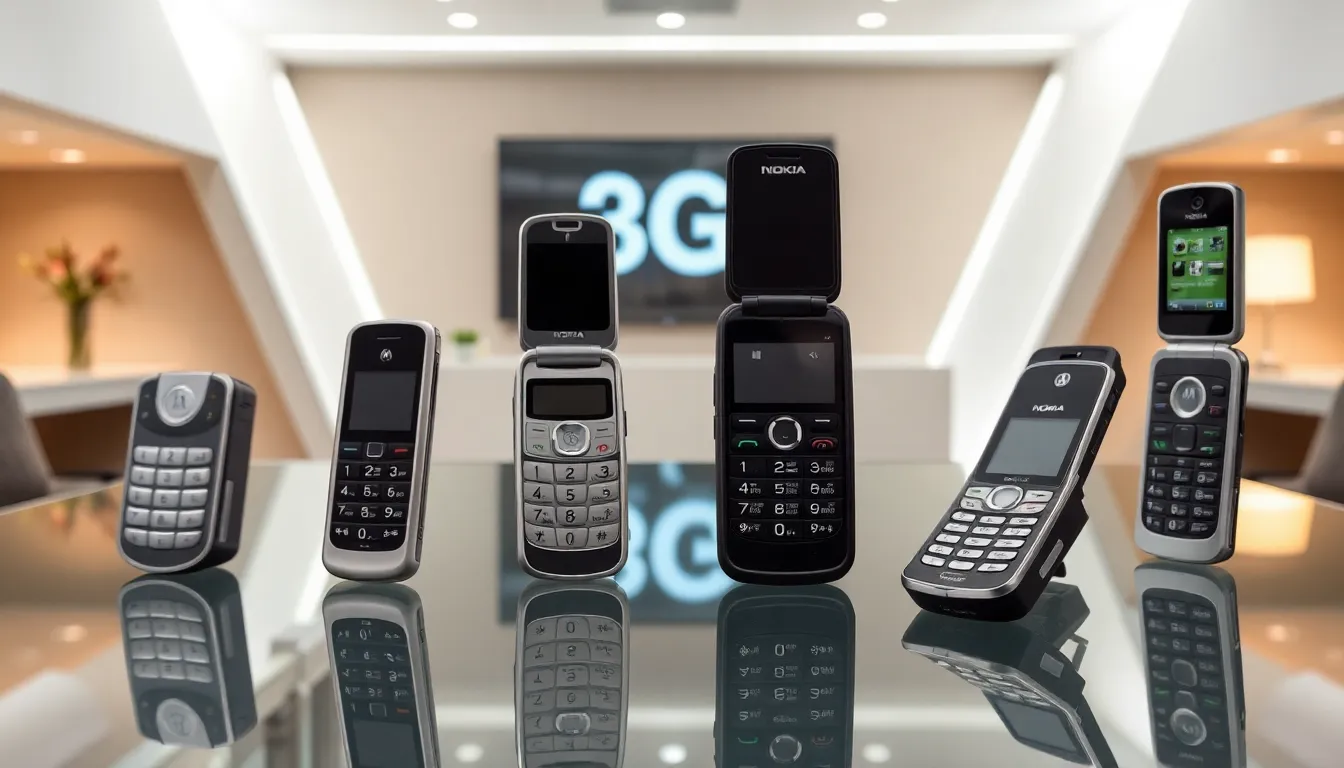
In 2005, mobile technology was carving out its identity in a landscape filled with promise. Cell phones from this era were transitioning from tiny flip models to more feature-packed bricks. The introduction of 3G networks began turning heads, allowing for faster data transmission and making mobile internet usage more feasible. Unlike today’s sleek smartphones, these devices showcased basic functionalities with a few added bells and whistles.
Nokia dominated the market, with its user-friendly interface and robust battery life. Meanwhile, brands like Motorola were riding high with models that boasted unique designs. It was a time when reliability trumped style, or at least that’s what most users hoped. After years of varying designs, manufacturers started zeroing in on user experience, setting the stage for the smartphones that would soon follow.
Key Features of 2005 Cell Phones
Cell phones in 2005 came with features that might seem quaint today but were groundbreaking for that time. Basic texting, voice calls, and address book management were the norm, yet manufacturers competed by adding innovative enhancements. Here are some standout features:
- Polyphonic Ringtones: Goodbye, beeping sounds. The introduction of polyphonic ringtones allowed users to customize their alerts, turning their phones into mini-soundtracks.
- Basic Cameras: While the quality was not quite up to par, many devices introduced basic digital cameras, allowing users to capture memories, albeit at a lower resolution.
- SMS and MMS: Texting was gaining in popularity, and Multimedia Messaging Service (MMS) allowed users to send images, although data charges could be quite steep.
- Bluetooth Technology: The emergence of Bluetooth made wireless connections feasible for headsets and file transfers, paving the way for hands-free calls.
Popular Cell Phone Models from 2005
Several models crowned the charts in 2005, each bringing something unique to the table. Here’s a look at a few heavy hitters:
- Nokia 6630: Often considered a pioneer, the Nokia 6630 combined 3G connectivity with a camera, and users loved its long battery life.
- Motorola RAZR V3: The iconic RAZR stole the show with its sleek design and thin profile. It became a fashion statement for many and solidified Motorola’s place in mobile history.
- Sony Ericsson K750i: With a more advanced 2-megapixel camera, this phone appealed to photography enthusiasts eager to snap pics on the go.
- LG Chocolate: Its touch-sensitive controls made it a standout innovation: people clamored for the stylish black and red design, though functionality could sometimes lag.
Impact of Cell Phones on Communication
The impact of 2005 cell phones on communication cannot be overstated. These devices changed how people connected, transforming interactions at both personal and business levels. Instant messaging began to overshadow landline conversations, creating a cultural shift towards direct and concise communication.
Text conversations gained traction, leading to a new language of abbreviations (honestly, a text full of vowels was almost unheard of). People found themselves multitasking, seamlessly jumping from text to voice calls. For many, these pocket-sized devices also became a bridge, connecting families and friends across vast distances, which was especially invaluable for long-distance relationships.
The Evolution of Cell Phone Technology Post-2005
Following 2005, the evolution of cell phone technology accelerated dramatically. The introduction of the iPhone in 2007 was one of the biggest turning points. Touchscreens replaced physical keyboards, and apps entered the scene, instantly changing how consumers interacted with their devices.
Smartphone technology expanded, leading to all-in-one devices that combined communication, entertainment, and productivity. Features such as GPS navigation, advanced camera capabilities, and high-speed internet became the norm. Manufacturers shifted focus from mere communication devices to powerful pocket computers, eventually creating a tech ecosystem that was more connected than ever.
Cultural Significance of 2005 Cell Phones
Culturally, cell phones from 2005 signify a pivotal moment in technology. They marked the beginning of a new era where connectivity became a crucial part of daily life. Brands began leveraging cultural trends, targeting younger consumers who craved exclusivity and individuality through their devices.
These phones also influenced social gatherings, with people becoming more present at events yet frequently distracted by incoming messages. The desire to stay connected seeped into all aspects of life, dousing former norms of face-to-face interactions with an increasing reliance on virtual communication.