
Cell phones, the magical little gadgets that keep our friends closer than ever, sometimes even closer than we’d like. From the chunky brick-like monstrosities of the 1980s to today’s sleek, all-powerful smartphones, it’s been quite the ride. But just when did these devices truly become a household staple, rather than a luxury item? Buckle up as we take a humorous yet enlightening journey through the timeline of mobile phones and find out exactly when they captured our hearts, and our pockets.
The Evolution Of Mobile Phones
Early Mobile Phone Technology
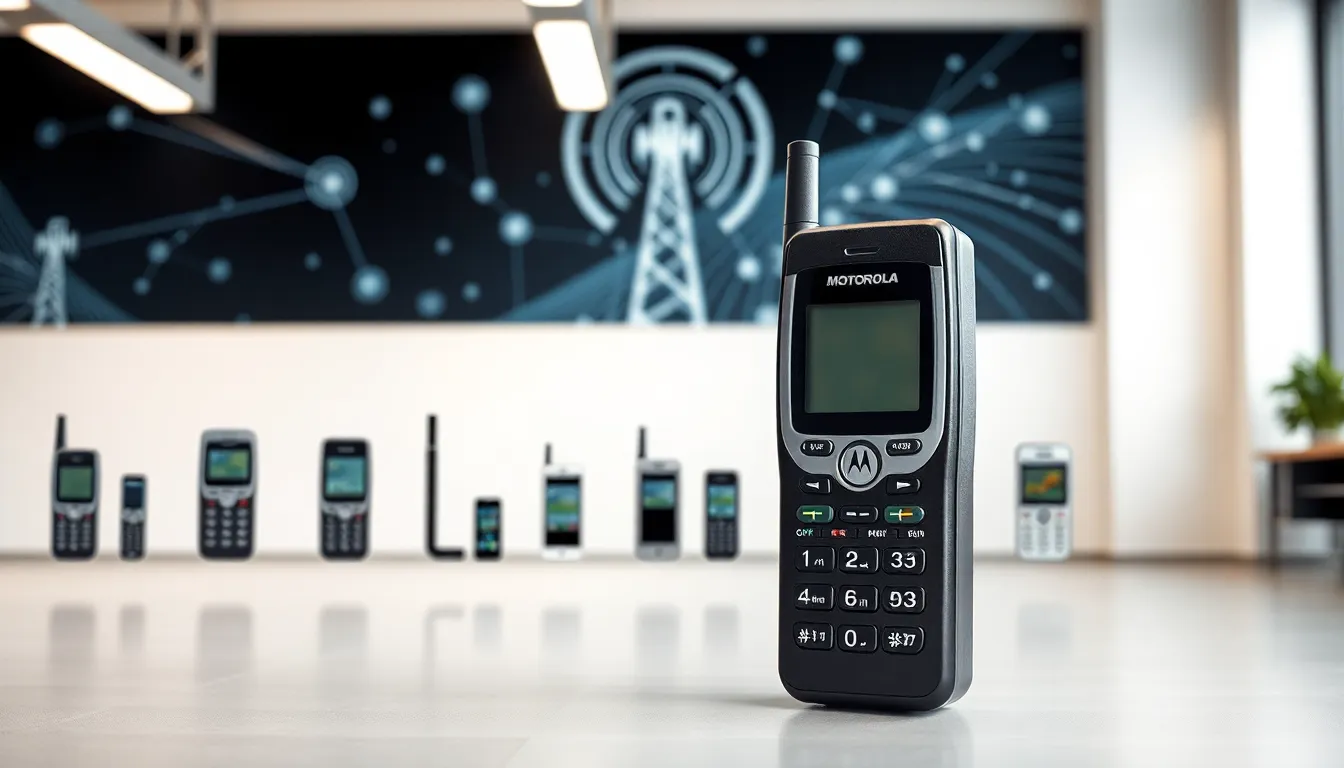
The journey of mobile phones began way back in the early 20th century. But, it wasn’t until the 1970s that the first real mobile phones emerged. The Motorola DynaTAC 8000X, released in 1983, was a game-changer, but it weighed nearly 2.5 pounds and took about 10 hours to charge, good luck fitting that in your pocket.
The Rise Of Cellular Networks
Meanwhile, cellular networks were sprouting up like weeds. The FCC’s allocation of frequency bands to commercial operators in the late 1970s allowed analog cellular networks to thrive, paving the way for the first generation of mobile communication. By the late 1980s, these networks made it somewhat feasible to use a mobile phone regularly, even if it did feel like carrying a small suitcase in your hand.
The 1990s: A Turning Point
The Launch Of First Smartphones
Fast forward to the 1990s, this decade was pivotal. The first smartphones, like IBM’s Simon Personal Communicator, debuted in 1992. Although bulky, they featured a touchscreen and could send emails. This was a leap forward in combining communication with productivity.
The Impact Of Market Competition
While the market was still limited, competition began heating up. Companies like Nokia and Motorola were vying for dominance, each unveiling new models with better features. It’s like watching a tech soap opera, as each brand tried to outdo the other, though without the dramatic cliffhangers.
The 2000s: Mainstream Adoption
Introduction Of 3G Technology
Then the 2000s arrived, bringing a wave of innovation. With the launch of 3G technology, phones could connect to the internet at unprecedented speeds. Suddenly, it was easier to check your email while pretending to listen to your boss’s endless meeting droning on.
The Role Of The Internet And Apps
This decade saw the app explosion, too. People wanted more from their cell phones than just calling and texting. The arrival of services like social media meant users could stay permanently connected, propelling cell phone adoption rates through the roof.
Shifts In Consumer Behavior
The Influence Of Social Media
Social media considerably impacted cell phone popularity. The advent of platforms like Facebook and Twitter transformed the way people interacted, transitioning from face-to-face chats to rapidly typing thumbs on a screen.
Changing Communication Needs
As communication needs shifted, so did consumer behavior. Texting became preferred over calling, and soon, emojis became the language of choice. Cell phones were no longer just for dialogue: they evolved into essential tools for daily life.
Global Trends In Mobile Usage
Cell Phone Popularity Worldwide
Today, billions of people own mobile devices around the globe. In many parts of the world, a smartphone is often the only means of internet access, making it a vital lifeline. This trend emphasizes that cell phones have become not just popular, but essential.
Regional Variations In Adoption Rates
Interestingly, while Western countries saw higher adoption rates in the early 2000s, many developing nations have caught up quickly. In regions where internet infrastructure is less developed, mobile technology often leapfrogs traditional forms, creating unique trends in usage.